How We Do It
The proprietary and public tools we use to make a game like Merchanteer possible.
Island Generation Pipeline
Our custom-built island generation pipeline combines procedural tools with targeted manual adjustments, allowing the team to balance efficiency with artistic control and environmental variety. Using this workflow, a fully textured island - with NPC-traversable terrain and populated environmental assets - can be generated in under 15 minutes. After the base environment is created, buildings, props, gameplay stations, and NPC destination points are placed manually to support narrative design and worldbuilding.
The process begins with a Blender plugin that procedurally generates the island’s terrain mesh. Designers then quickly “paint” areas of the terrain to define where different environmental assets and textures should appear. That painted data is imported into a proprietary multi-threaded Godot tool, which procedurally places thousands of environmental assets across both the island and underwater environment based on a set of customizable parameters. Finally, a custom shader applies terrain textures according to the painted scheme, completing the island’s base visual pass while keeping the workflow fast and highly scalable.
Multiplayer Architecture
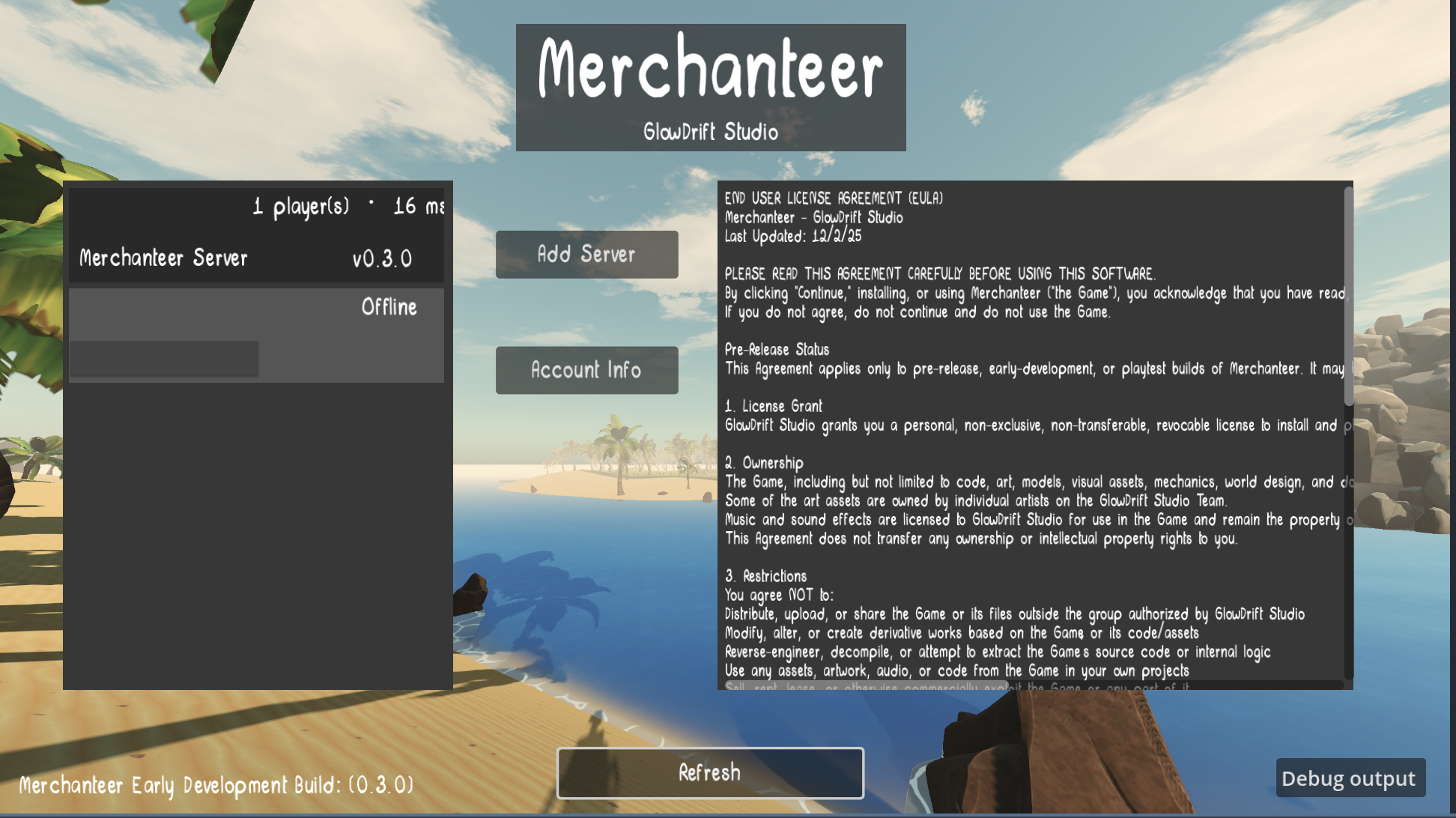
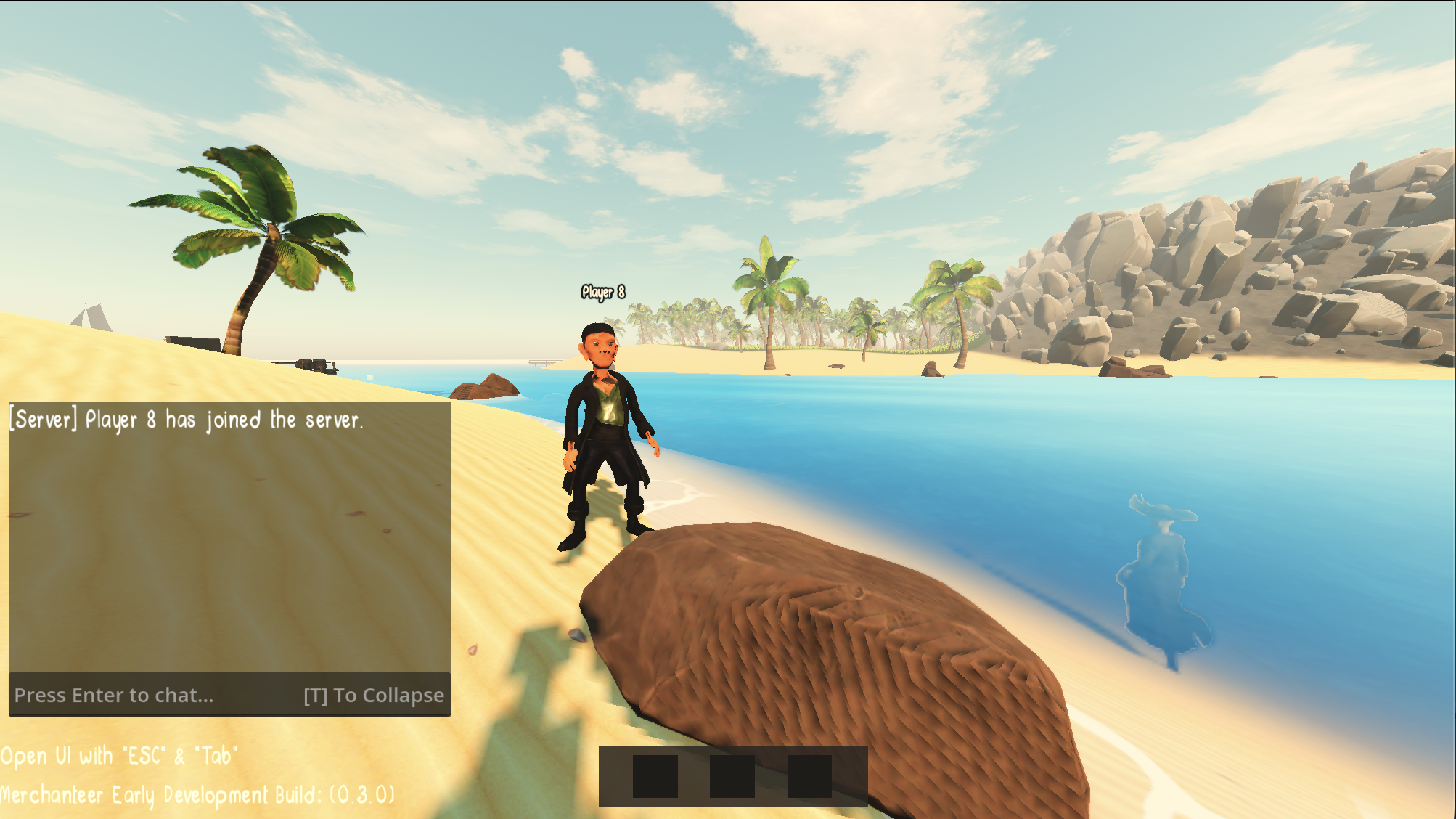
Merchanteer runs on a fully custom dedicated server built from the ground up by the studio. Rather than relying on Godot’s built-in networking, the team developed a proprietary server stack with its own transport layer, binary serialization protocol, and modular endpoint routing system. Every networked feature in the game, including player movement, NPC state, inventory, trading, and quests, is handled by a purpose-built component that can be developed, tested, and modified in isolation.
At the heart of the server is a live simulation running in parallel with every connected player. Land NPCs, trading ships, and pirates are all simulated authoritatively on the server with their own state machines, moving, idling, trading, patrolling, and responding to player actions such as interaction and combat. Their positions and states are broadcast to all clients 20 times per second, keeping the world feeling alive and consistent for everyone in it. Owning the full networking stack allows the team to control exactly how this data moves, with no dependency on third-party multiplayer services or middleware, meaning the architecture can evolve alongside the needs of the game.
Modular Ship System
Customizable player ships are the backbone of Merchanteer’s progression system. To support this, the game requires a wide variety of ships while keeping development costs manageable. To solve this, the team developed a modular ship system - a collection of 3D ship components that players can combine in-game to create fully customized vessels. This approach allows for far greater variation while requiring significantly less individual asset creation from artists
The system is currently in development. On the technical side, it builds on the game’s existing in-game building system as a foundation. On the art side, the modular design is being led by the team’s newest member, Philip, who is responsible for developing ship components that can be combined seamlessly while maintaining the stylized visual quality of the game.
Character Creation Pipeline
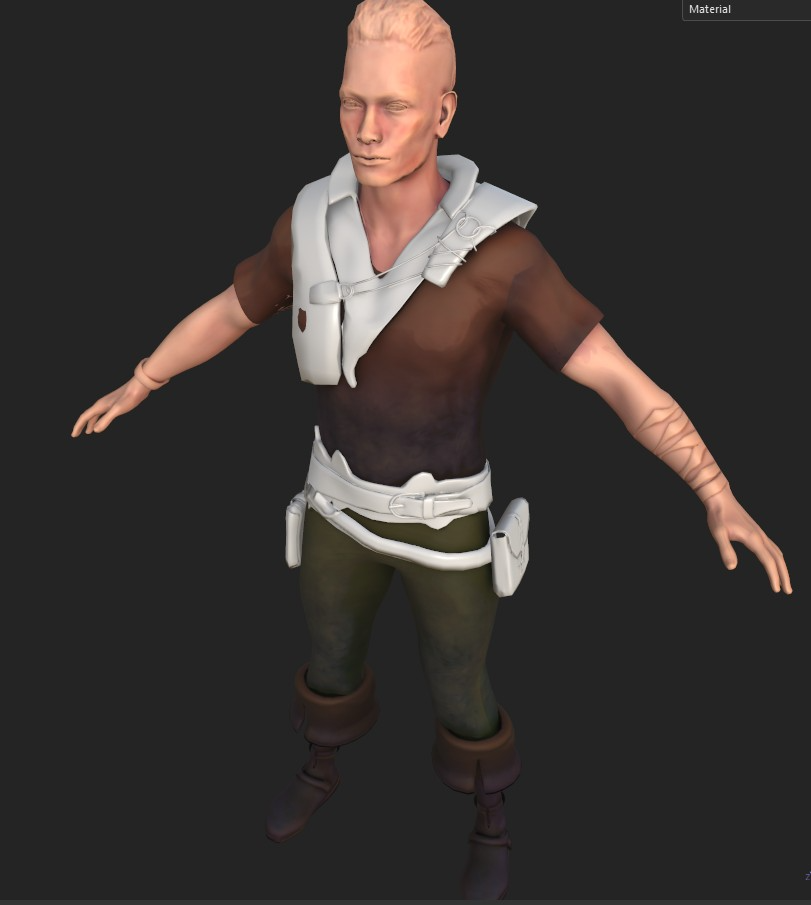
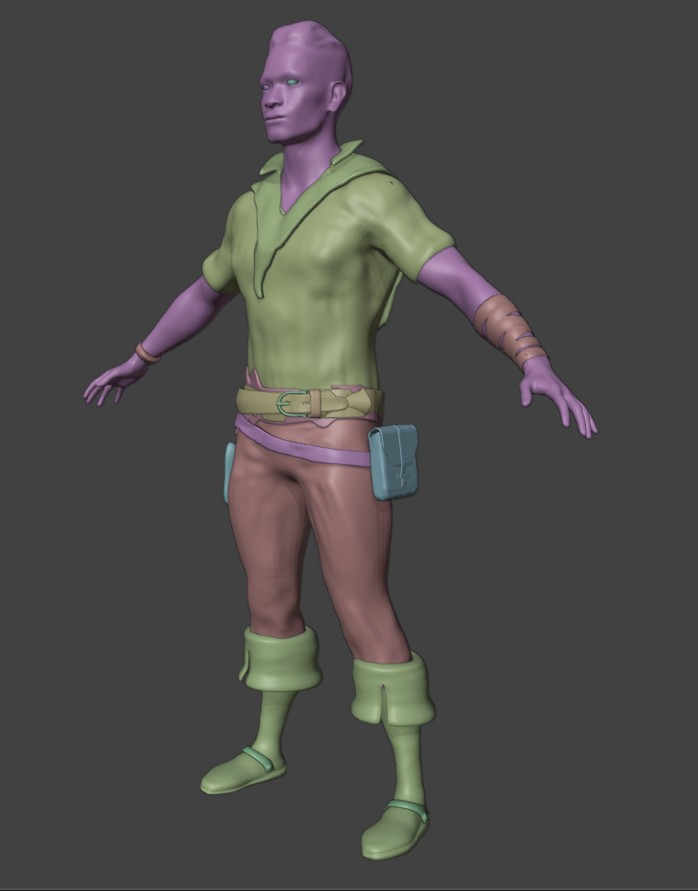
As the narrative writing expanded to give the world greater meaning and depth, the need emerged to produce around 30 unique character models before release. It quickly became clear that creating a single high-quality stylized character - fully modeled, textured, and animated - required a significant time investment. To address this, Brahim developed a character creation pipeline focused on efficiency across rigging, animation, and modeling.
At the core of this pipeline is a modular character system. Clothing, limbs, and accessories are created as separate components that can be combined in different ways, allowing the team to produce a wide range of unique, high-quality characters using a smaller set of original assets. This approach preserves the stylized quality of each character while dramatically reducing the overall production time required.
Our Core Tools
Industry tools integrated with our proprietary pipelines.

Blender
Blender is an open-source tool and our primary 3D software for modeling, rigging, animation, and generating terrain for the island generation pipeline.
Godot
Merchanteer runs on Godot 4 - an open-source and free game engine that powers the project’s core systems, including rendering, physics, and deployment. C# is used to interact with the engine and develop our custom tools.

Wwise
Industry-standard adaptive audio middleware. Our audio designer Robin uses it to build reactive soundscapes that respond dynamically to in-game events - at no cost for indie projects.